A lifestyle hotel in Bali is a hotel built around design, local culture, social spaces and experiences rather than standard rooms, and it is the hotel segment investors are watching most closely. CBRE research, as reported by EdgeProp, shows Asia Pacific lifestyle hotel supply grew about 19% a year from 2015 to 2025, roughly four times the pace of total hotel supply.
Even after that growth, lifestyle rooms make up only about 1% of hotel rooms in Asia Pacific, against 4% in the US. That gap, combined with a young and growing traveller base, is why developers and operators in Bali are building lifestyle products instead of standard resorts.
This article explains what a lifestyle hotel is, who is driving demand, how fast the segment is growing, why Bali suits the model, what it means for investors and which risks to check.
A lifestyle hotel is a hotel where the experience matters as much as the room. Design reflects the destination, restaurants and bars draw locals as well as guests, and public spaces host events, wellness and social activities.
Compared with other hotel types:
A boutique hotel is usually small and independent. A lifestyle hotel can be any size and is often part of a brand, which gives it the distribution and operating systems of a larger group.
Gen Z and millennials are driving the shift toward lifestyle hotels. According to CBRE research reported by EdgeProp, Gen Z made up a quarter of Asia Pacific’s population, ahead of millennials at 23% and Gen X at 20%, and is forecast to reach 27% by 2030.
Spending power is following. The same research forecasts global Gen Z spending to grow 27.6% between 2024 and 2030, faster than any other generation. CBRE’s Gen Z Checks In report (28 May 2026) links this cohort to a preference for experiential travel, authentic local culture and easy-to-use technology over standardised hotels.
The lifestyle segment is growing faster than the hotel market as a whole, from a small base. Key figures from CBRE research, as reported by EdgeProp:
| Measure | Figure |
|---|---|
| Asia Pacific lifestyle hotel supply growth, 2015-2025 | About 19% a year |
| Total Asia Pacific hotel supply growth, same period | About 5% a year |
| Lifestyle share of rooms, Asia Pacific | 1% |
| Lifestyle share of rooms, Europe | 2% |
| Lifestyle share of rooms, US | 4% |
| Lifestyle share of the Asia Pacific pipeline to 2030 | 8% |
The last row matters most for investors. If lifestyle rooms are 8% of the pipeline but only 1% of today’s supply, the segment’s share of the market is set to rise.
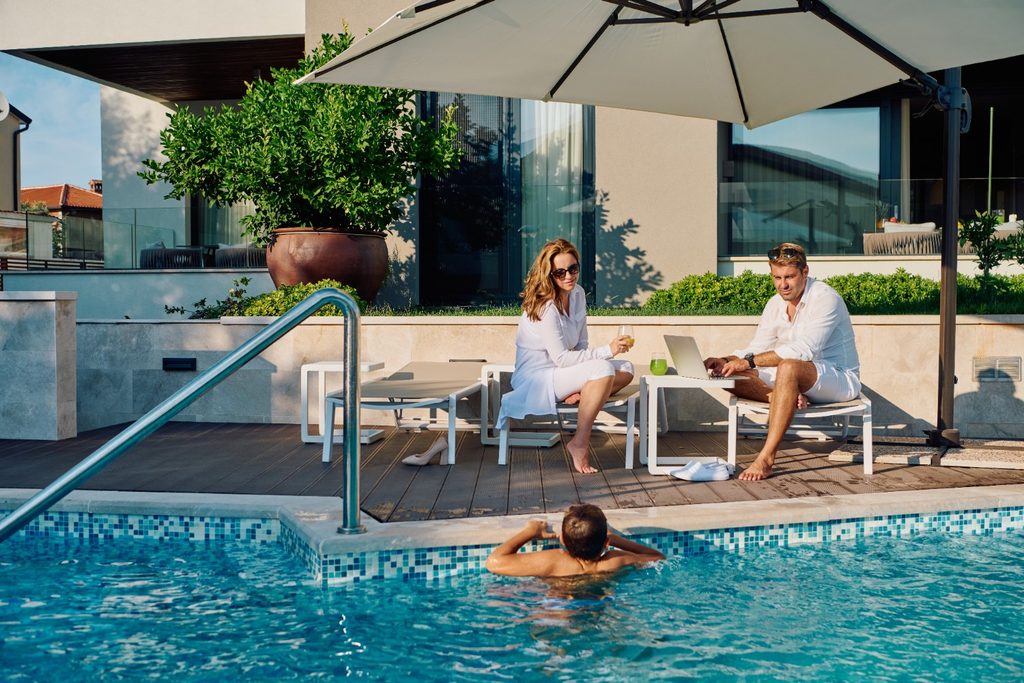
Bali already attracts the kind of traveller lifestyle hotels are built for: people who come for surf, wellness, food, culture and longer stays. The island’s hotel market is also performing well. Horwath HTL reports Bali hotel occupancy averaged 73.2% in 2025, with an average daily rate of IDR 4.8 million in Jimbaran and Uluwatu.
International demand is broad. Australia is Bali’s largest foreign market, at about a quarter of foreign arrivals in January to July 2026, according to the provincial tourism data reported by Stacked Homes. Check the latest monthly figures from BPS Bali before relying on any arrival number.
New supply is concentrated. Horwath HTL counts an active pipeline of 5,641 rooms across 45 hotels, most of it in Canggu, Jimbaran and Uluwatu, and Ubud. Each area offers a different lifestyle angle: Canggu for cafe and surf culture, Ubud for wellness, and Uluwatu for cliff-top surf breaks, beach clubs and sunsets. Our guide to Uluwatu and the Bukit Peninsula covers the area in more detail, and our report on Bali’s hotel pipeline to 2029 tracks new supply.
For investors, a lifestyle hotel earns from more than rooms. Restaurants, bars, events and wellness can add revenue, and a strong concept can help a hotel stand out in a crowded market. These are potential advantages, not guaranteed returns: they depend on the operator executing the concept well.
Development costs shape where lifestyle products appear. CBRE notes that rising construction costs push many operators toward converting existing hotels rather than building new ones, which makes new-build lifestyle resorts in prime coastal locations less common.
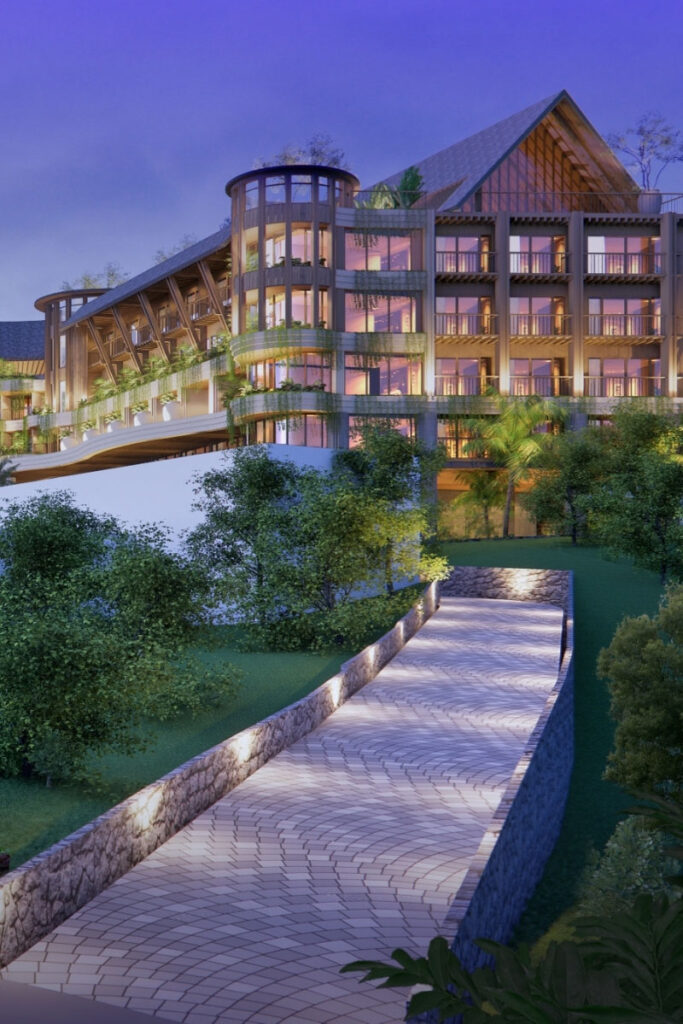
Operator choice is the deciding factor. CROSS Bali Uluwatu, developed by PT The CUBE Group in Pecatu about 200 metres from Suluban Beach, is operated by SONO Hotels & Resorts Asia, part of South Korea’s SONO Trinity Group. SONO acquired Cross Hotels & Resorts, a brand known for lifestyle, wellness and luxury hospitality, and its Asia business now runs 17 hotels with 12 more in the pipeline.
According to Fenty S. Prawiraatmadja, Marketing Director at PT The CUBE Group Bali, the operator’s wider ecosystem is part of the project’s appeal.
“SONO Trinity Group’s presence across hospitality, aviation and leisure offers an interesting perspective on how travel and accommodation can work together. Its travel ecosystem includes Trinity Airways, which operates daily direct flights connecting South Korea with Bali, and CROSS Bali Uluwatu is listed as a preferred partner of Flight Centre Travel Group. CROSS Bali Uluwatu is being developed as a 123-key, internationally branded, upper-upscale hotel, with a long-term Hotel Management Agreement in place with SONO Hotels & Resorts Asia.”
Our article on Cross Hotels & Resorts and SONO Hospitality explains the operator’s background.
A lifestyle resort and a standard resort can share a location but differ in almost every operating choice:
| Factor | Lifestyle hotel or resort | Standard resort |
|---|---|---|
| Target guest | Experience-led travellers, often younger | Broad leisure market, families, groups |
| Revenue streams | Rooms plus strong F&B, events, wellness | Mainly rooms, with supporting F&B |
| Design | Destination-led, distinctive | Consistent, functional |
| Operator role | Concept, programming and brand drive results | Efficiency and occupancy drive results |
| Capex | Higher for design and public spaces | Lower per key |
| Positioning risk | Concept can date if not refreshed | Can blend in with competitors |
Lifestyle hotels carry their own risks. Review these before investing:
Our article on hotel investment risk in Bali and our data on Bali hotel occupancy rates help put these risks in context.
A hotel built around design, local culture, social spaces and experiences, where food, drink and programming matter as much as the room.
A boutique hotel is usually small and independent. A lifestyle hotel can be larger and is often part of a brand, but shares the focus on design and experience.
CBRE research links Gen Z to experiential travel, authentic local culture and easy technology, which are the core of the lifestyle hotel model.
It can be, given Bali’s leisure demand and the segment’s growth, but results depend on location, concept and operator. Review the risks before investing.
Several international groups operate lifestyle brands in Bali. CROSS Bali Uluwatu is operated by SONO Hotels & Resorts Asia, which acquired the lifestyle-focused Cross Hotels & Resorts.