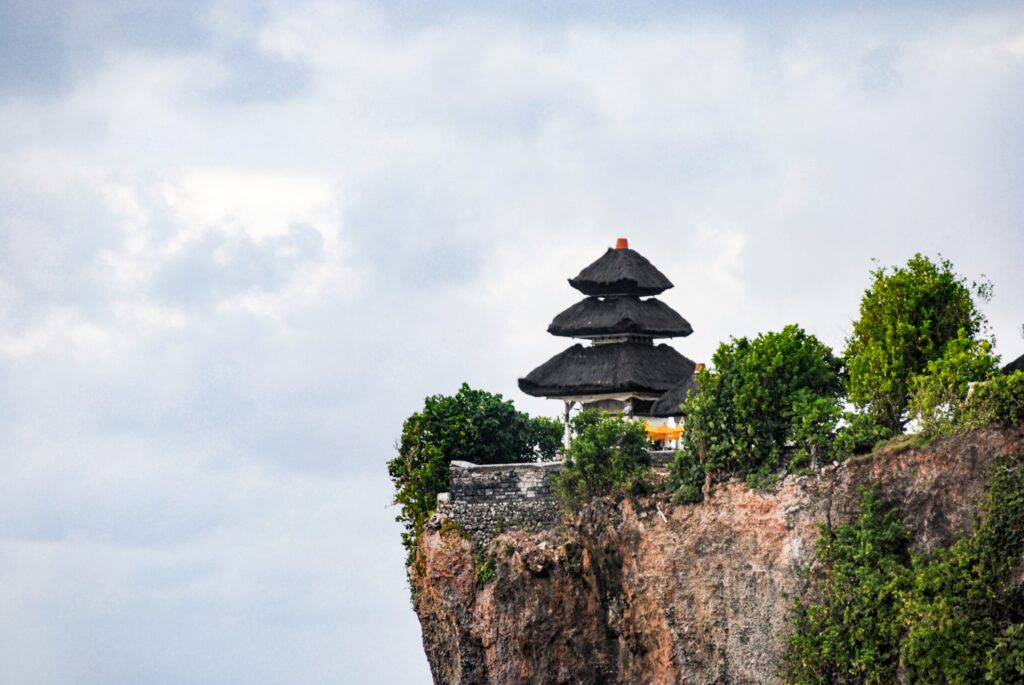
Uluwatu Temple (Pura Luhur Uluwatu) is a Balinese Hindu sea temple on a cliff about 70 metres above the Indian Ocean in Pecatu, and its Kecak fire dance starts every evening at 6 pm in a clifftop amphitheatre. The temple is open to visitors daily from 7 am to 7 pm, according to the official Uluwatu Temple website.
It is one of Bali’s most important temples and one of its most visited cultural sites. Every evening, the sunset and the Kecak draw a crowd to the southern tip of the Bukit Peninsula, shaping daily life in the village around it.
This guide covers the temple’s history, the Kecak story, practical visiting details in one table, tips on crowds and monkeys, and how the landmark fits into Pecatu, the village around Uluwatu Temple today.
Uluwatu Temple is dedicated to Sang Hyang Widhi Wasa in his manifestation as Rudra, and it is counted among Bali’s six key temples (Sad Kahyangan) as well as its nine directional temples. It is also the only Balinese sea temple (pura segara) that holds directional temple status, according to Wikipedia.
The site is old. The Javanese sage Empu Kuturan is credited with expanding an earlier shrine in the 11th century. Around the turn of the 16th century, the priest Dang Hyang Nirartha introduced padmasana shrines here, and local legend says he reached moksha on this cliff.
That legend gives the temple its full name. The moment is known locally as “ngeluhur”, meaning “to go up”, which is where the word Luhur in Pura Luhur Uluwatu comes from.
The inner courtyards are reserved for worshippers, so visitors walk the outer grounds and cliff paths. Those paths give the views most people come for.
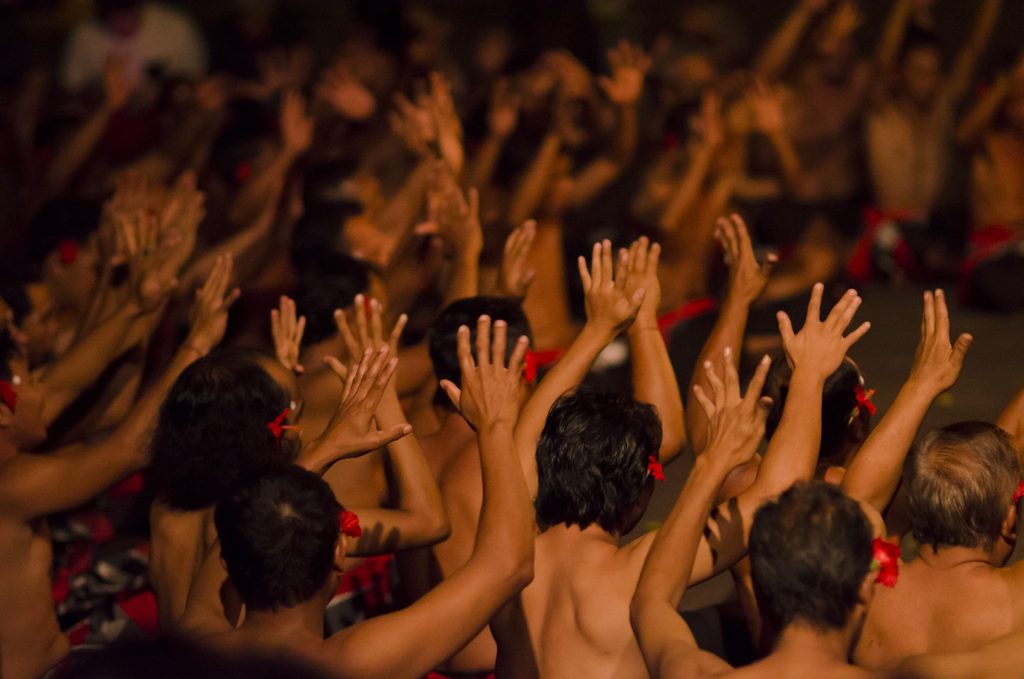
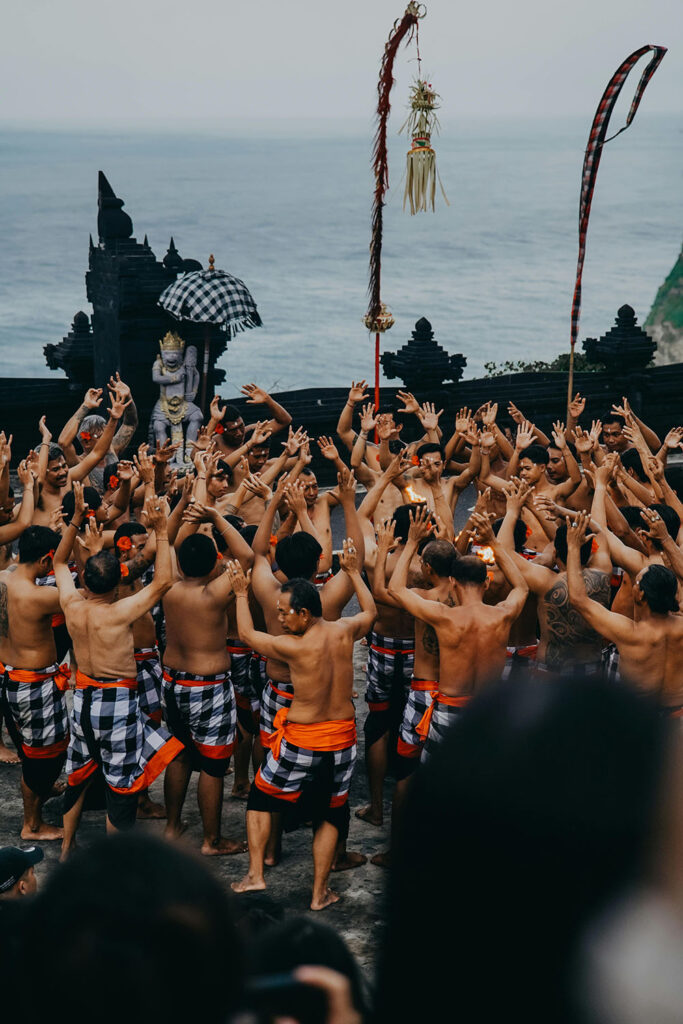
The Kecak at Uluwatu is held daily at 6 pm and lasts about an hour, with the sun setting over the ocean behind the stage. Instead of a gamelan orchestra, a large circle of bare-chested men provides the music by chanting “cak” in shifting rhythms.
The performance retells an episode from the Ramayana: the abduction of Sita by Rahwana, and her rescue by Rama with the help of Hanuman, the monkey general. The best-known moment comes near the end, when Hanuman is surrounded by fire and kicks his way out.
Kecak as a stage performance dates to the 1930s, when Balinese artist Wayan Limbak helped develop it from the older Sanghyang trance ritual. At Uluwatu, the chorus has numbered around 70 dancers, according to detikFinance.
Tickets are sold at the amphitheatre gate, and the official site lists IDR 150,000 for adults and IDR 75,000 for children. In peak season, seats fill well before 6 pm, so arrive by around 5 pm to choose where you sit.
Uluwatu Temple is not free to enter: international visitors pay an entrance fee, and the Kecak ticket is separate. The table brings together the practical details, from Uluwatu Temple timings to what to wear.
| Item | Detail |
|---|---|
| Opening hours | Daily, 7 am to 7 pm |
| Entrance fee (international adult) | [WRITER: confirm on publish date, official site shows IDR 50,000 and IDR 60,000 on different pages] |
| Kecak ticket | IDR 150,000 adult, IDR 75,000 child |
| Kecak time | Daily at 6 pm, about 60 minutes |
| Dress code | Sarong and sash provided at the entrance; shoulders and knees covered |
| Location | Pecatu village, South Kuta, Badung Regency |
Prices can change, so check the official website before you go. Prices in this guide were checked in November 2026.
Uluwatu Temple’s long-tailed macaques are famous for grabbing sunglasses, phones, hats and flip-flops. Researchers have found that these monkeys learn to trade stolen items for food, and pass the habit on to younger monkeys, according to Wikipedia.
A few habits keep a visit smooth:
Uluwatu Temple is worth visiting for most travellers, but the experience changes with the time of day. Sunset brings the Kecak and the best light, along with the biggest crowds.
A morning visit is quieter and cooler, and it suits anyone more interested in the temple and the views than the performance. The dry season, roughly April to October, offers the clearest sunsets.
Uluwatu Temple sits about 21.5 km from Ngurah Rai International Airport, a drive of around 30-40 minutes in normal traffic, according to detikFinance. Traffic around sunset can stretch that considerably.
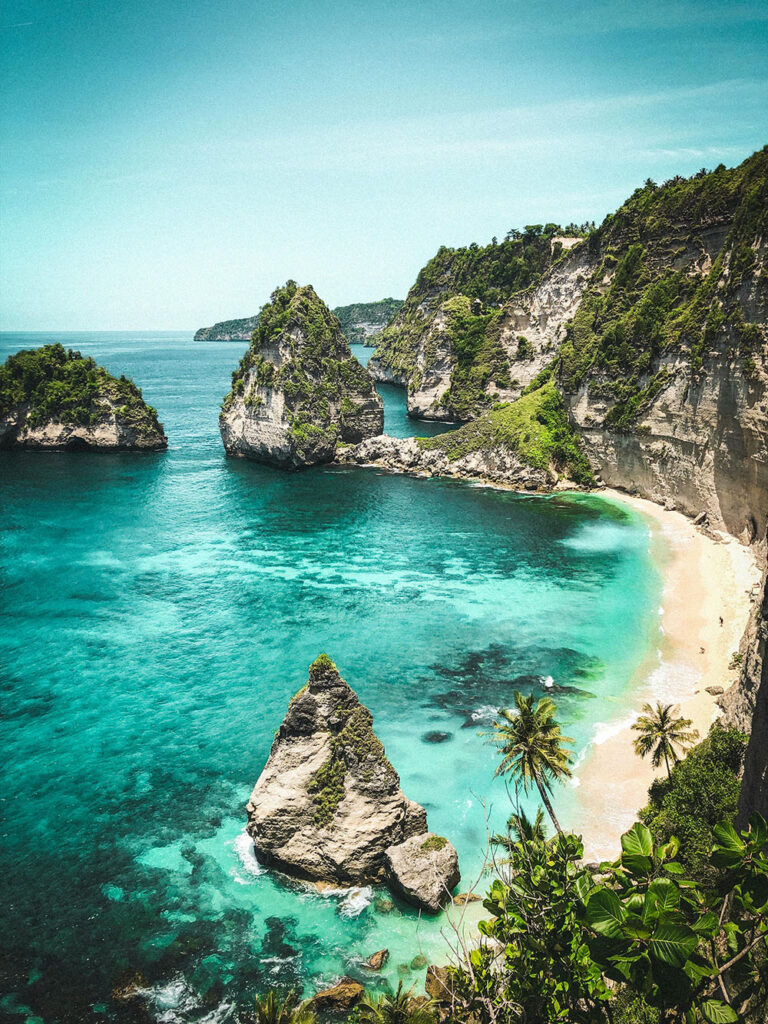
Most visitors combine the temple with nearby beaches such as Suluban, a surf beach reached through a rock cave, and Labuan Sait. Travelling from Uluwatu Temple to Ubud takes much longer, often two hours or more in traffic, so it works better as a separate day. For more on what pulls visitors to the area, read why Uluwatu draws so many visitors.
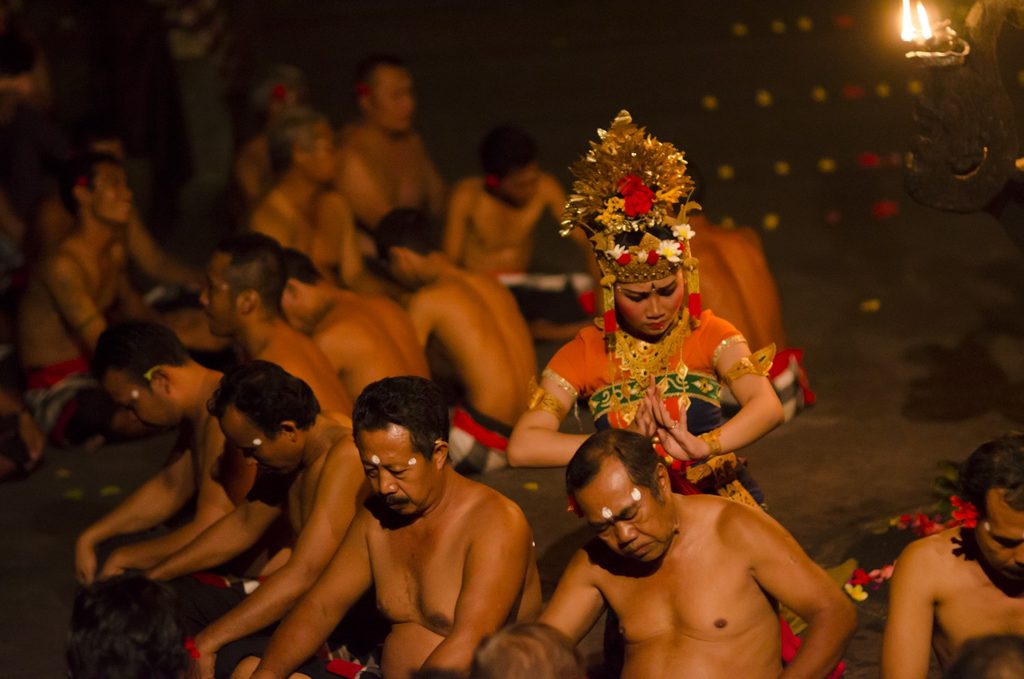
Uluwatu Temple sits within the traditional village of Pecatu, and its daily Kecak brings visitors to the area every evening of the year. That steady flow supports local guides, drivers, warungs, parking attendants and the performers themselves, whose income comes largely from ticket sales.
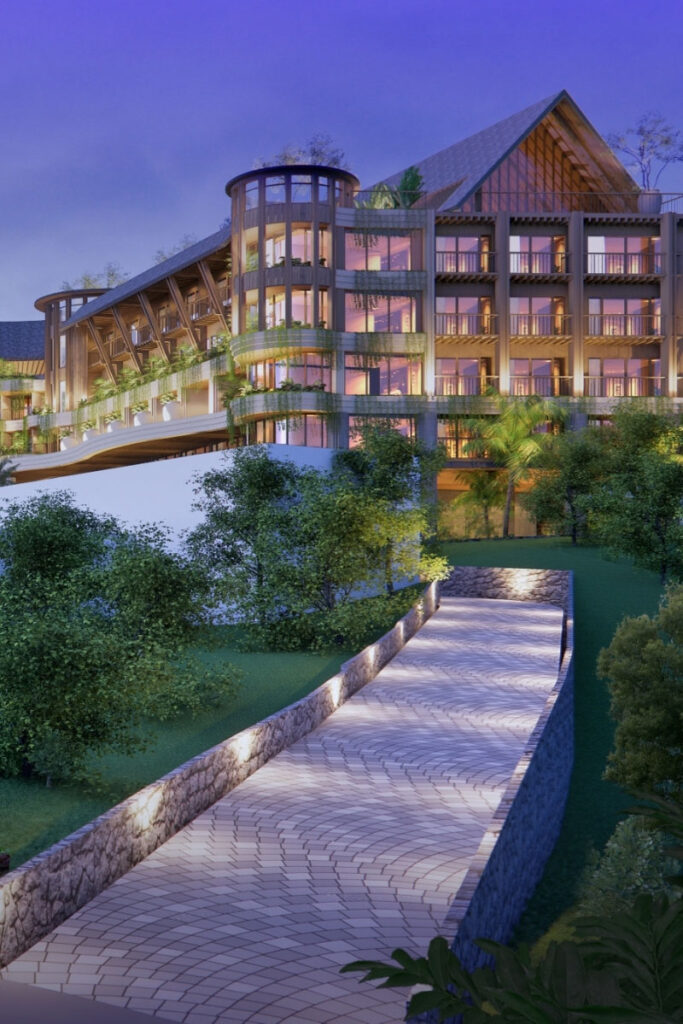
The village around it has changed fast. Pecatu began drawing outsiders as a surf destination in the 1970s, then became home to clifftop resorts, and is now seeing a new generation of hotel projects. New hospitality projects such as CROSS Bali Uluwatu, about six minutes’ drive from the temple, are part of that change.
Fenty S. Prawiraatmadja, Marketing Director of PT The CUBE Group Bali, recognises Uluwatu Temple as an integral part of Pecatu’s cultural identity, where local traditions continue to shape the area’s character amid tourism growth. As the area evolves, being a respectful neighbour to the temple and surrounding community remains an important consideration in how CROSS Bali Uluwatu welcomes future guests and positions itself within the destination.
What has not changed is the temple’s role. Even as Pecatu grows, the evening ceremony of sunset and Kecak remains the moment that brings visitors and villagers to the same cliff.
Uluwatu Temple combines a sacred cliffside setting with one of Bali’s most memorable evening performances. Arrive early for the Kecak, cover up, keep your belongings secured from the monkeys, and check fees on the day.
If the visit leaves you curious about the area, explore more of Pecatu through our guide to Pecatu, the village around Uluwatu Temple.
Yes, especially at sunset for the Kecak. Expect crowds in high season and keep belongings away from the monkeys.
Its position on a 70-metre cliff above the Indian Ocean, its daily sunset Kecak dance, and its status as one of Bali’s key temples.
No. International visitors pay an entrance fee, and the Kecak dance requires a separate ticket.
Sang Hyang Widhi Wasa, in his manifestation as Rudra.
Every day at 6 pm. It lasts about an hour.
Clothing that covers shoulders and knees. A sarong and sash are provided at the entrance.