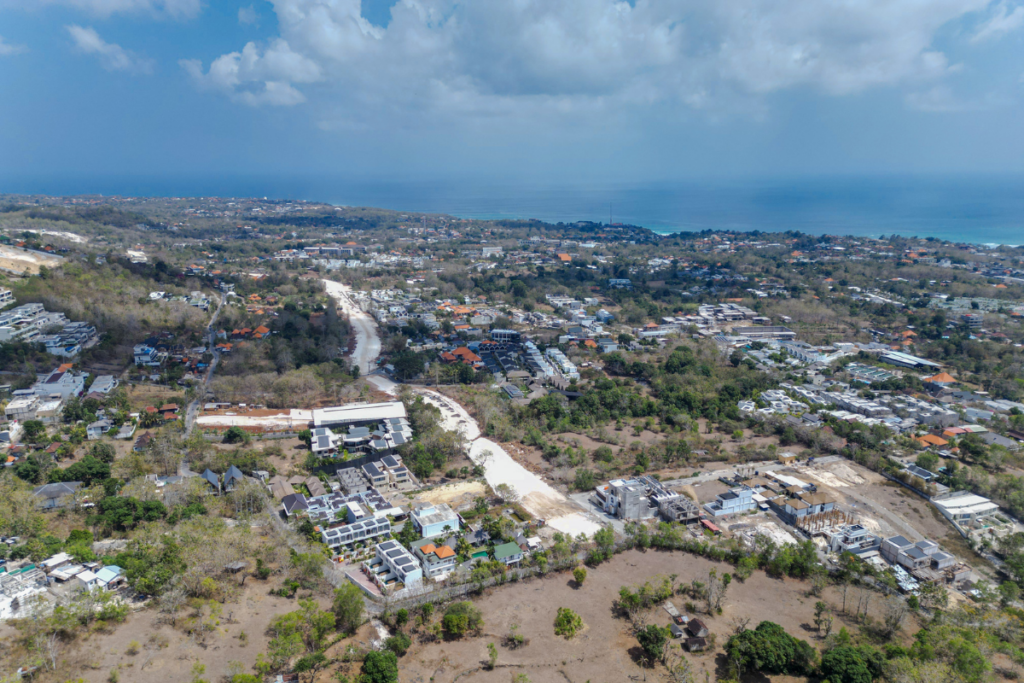
Bali’s new South Ring Road, locally known as JLS (Jalan Lingkar Selatan), is a government infrastructure project connecting Nusa Dua, Jimbaran, and Uluwatu. Groundbreaking for its section through Pecatu took place on 27 July 2026, with full completion targeted for late 2027.
For foreign investors unfamiliar with Badung’s geography, this matters because the road cuts directly through Pecatu and the surrounding Uluwatu area, a part of Bali long known for heavy traffic and limited access during peak tourist season. Below are six reasons this project is changing how investors look at hotel and property investment in Uluwatu.
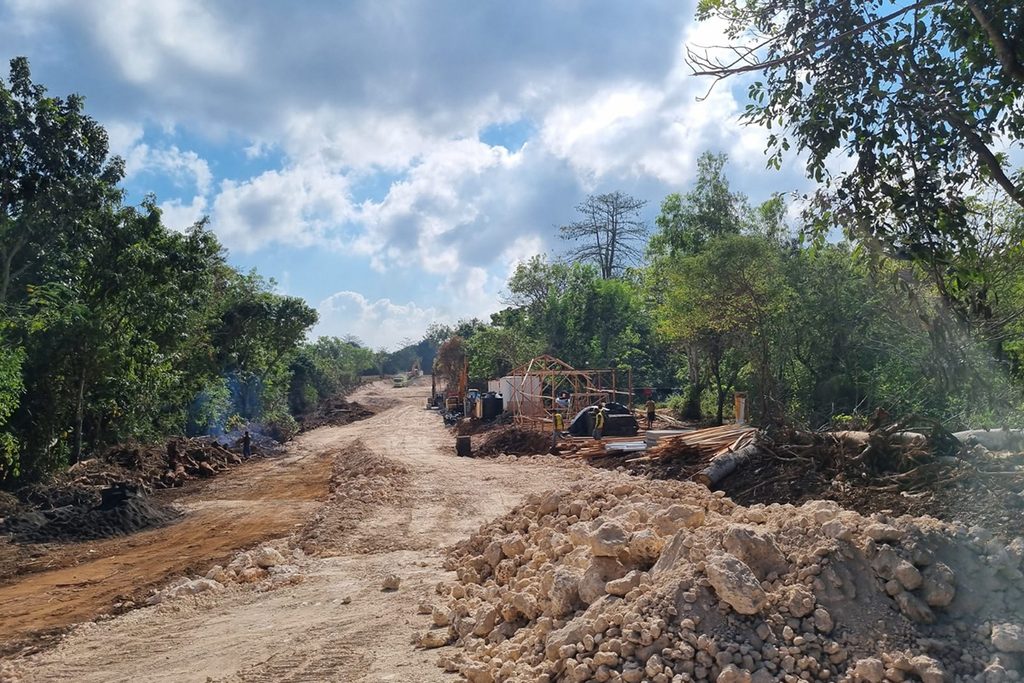
JLS stands for Jalan Lingkar Selatan, a road network project run by the Badung Regency government. The project carries a total value of more than Rp 2.9 trillion, funded through a combination of a Rp 2.4 trillion loan from PT Sarana Multi Infrastruktur (PT SMI) and Rp 511 billion from Badung’s own regional revenue (PAD).
Key facts investors should know:
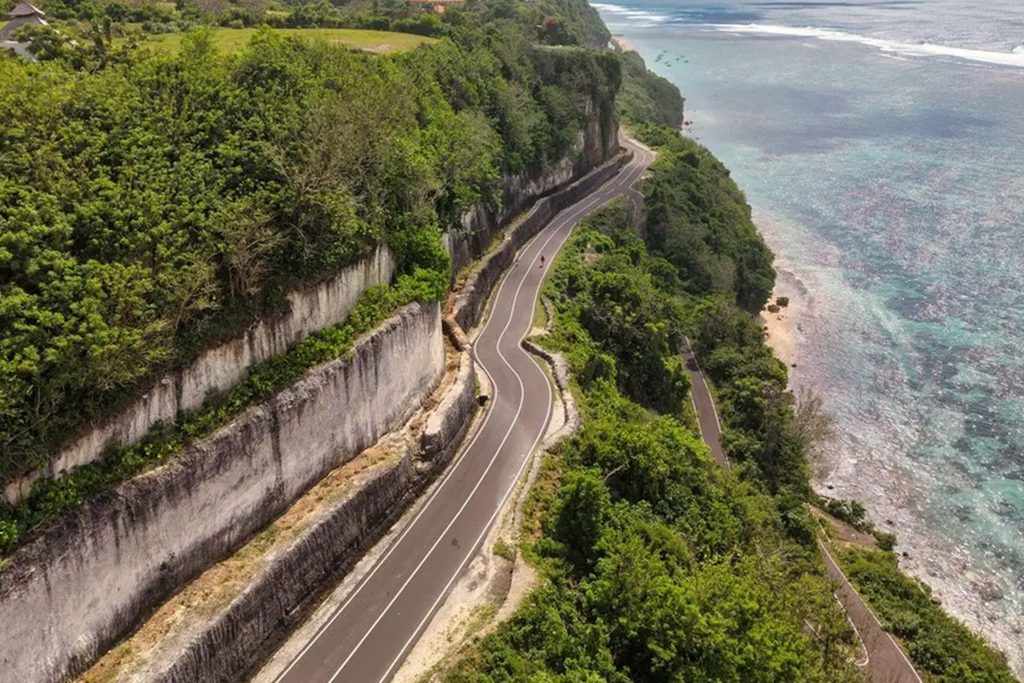
Traffic congestion in South Kuta has become a persistent problem at four main points: Simpang Udayana, GWK, and Pecatu, driven largely by high tourist volume. Regent Adi Arnawa has been direct about the stakes, warning that without new road access, Badung’s tourism appeal risks fading as visitors are discouraged by hours-long delays.
This is not a minor upgrade. It is a targeted response to bottlenecks that have shaped the daily experience of living, working, and running a business in this part of Bali for years.
The new Jimbaran-Uluwatu route runs through some of the area’s most sought-after zones, including Pecatu Graha, Jimbaran Hijau, and Labuan Sait. For tourists visiting Uluwatu Temple for the Kecak dance performance, this means no longer facing hours of gridlock just to get in and out.
Better access does more than reduce frustration. It shortens the practical distance between Uluwatu and the rest of South Bali, making the area more viable for day trips, repeat visits, and last-minute bookings.
JLS is part of a larger plan covering nearly 30 kilometers of road network across South Badung. In 2026 alone, Badung Regency is executing a total of 15.6 kilometers of road construction, combining the South Ring Road route with the Berawa-Teuku Umar Barat corridor in North Kuta.
This scale of investment signals something beyond a single road project. It reflects sustained government commitment to the region’s long-term connectivity, not a one-off promise ahead of an election cycle.
CROSS Bali Uluwatu, located in Pecatu, sits directly within the area affected by JLS Segment 4. Investors evaluating this property can see the connection between infrastructure spending and the specific location firsthand, rather than relying on general claims about “up-and-coming areas.”
Accessibility is one of the most consistent factors behind property value growth. When an area becomes easier to reach, demand for land and buildings in that area tends to follow, because both residents and businesses save time and cost on transport.
Bali Governor Wayan Koster has described JLS as a concrete solution to chronic congestion in South Badung’s tourism zone while also helping preserve the quality of Bali’s tourism overall. This reflects a mechanism, not a guarantee. There is currently no official appraisal data measuring how much property values in Uluwatu have shifted specifically because of JLS, so investors should treat this as a supporting factor rather than a fixed return.
A new road does not replace the need to understand how foreign investment in Indonesian hospitality actually works. For hotel ownership, this typically means opening a PT PMA hotel in Bali, the foreign investment company structure required for legal ownership and operation.
Infrastructure can make a location more attractive, but it does not simplify the regulatory steps involved in acquiring, owning, or operating a hotel property in Indonesia. Those steps remain the same regardless of what road runs past the property.
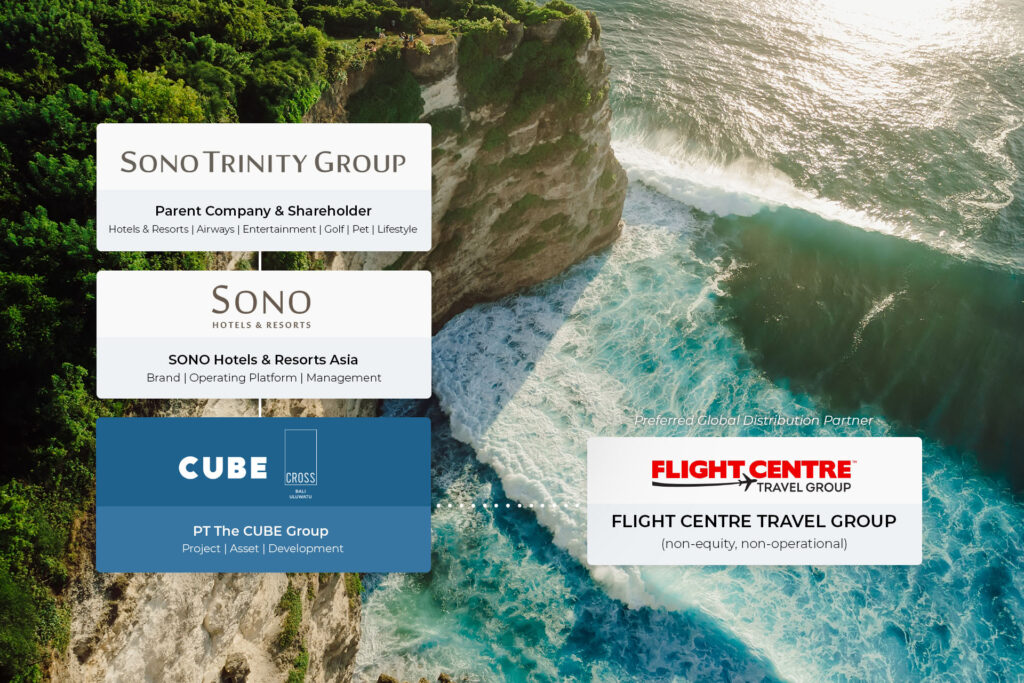
CROSS Bali Uluwatu, located in Pecatu, is developed under a Hotel Management Agreement with Cross Hotels & Resorts, part of SONO Hospitality. This means the property is not an independent villa or land plot without a clear operator, but a hotel positioned within an established international brand’s management structure from the outset.
For investors comparing options, this distinction matters. A location with improving infrastructure and a defined operator carries a different risk profile than land or villas without any hospitality brand attached, where owners are left to manage marketing, staffing, and guest operations independently. Readers weighing hotel room investment in Bali as an option can factor this structure into their comparison.
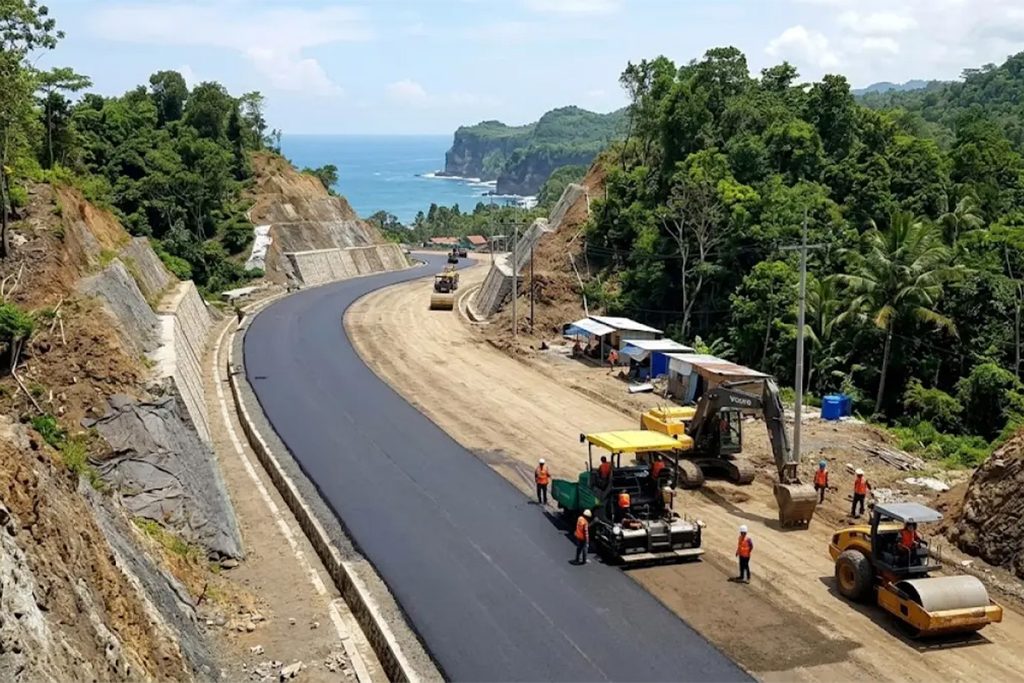
None of the above replaces independent due diligence. Before committing capital, investors should:
Infrastructure progress is a positive signal, not a substitute for verifying the legal and financial fundamentals of a specific property.
JLS is an infrastructure project already under construction, not a proposal on paper. Its groundbreaking in 2026 and target completion in late 2027 mean the improved access to Pecatu and Uluwatu is a matter of when, not if.
For investors looking at Uluwatu, this is the kind of location-specific detail worth factoring into timing decisions. Those interested in seeing how this connects to an actual hotel investment can look at CROSS Bali Uluwatu, a property in Pecatu backed by an international hotel management brand and positioned directly within the area JLS is set to improve.
JLS stands for Jalan Lingkar Selatan, or South Ring Road, a government road project in Badung Regency connecting Nusa Dua, Jimbaran, and Uluwatu.
The project is valued at more than Rp 2.9 trillion, funded through a Rp 2.4 trillion loan from PT Sarana Multi Infrastruktur and Rp 511 billion from Badung’s regional revenue.
Groundbreaking for Segment 4 in Pecatu took place on 27 July 2026, with full completion targeted for late 2027.
Yes. Segment 4 of JLS runs through Pecatu, including the Labuan Sait to Pedati route and areas near Pecatu Graha and Jimbaran Hijau.
Improved road access is generally associated with rising property value, and Bali’s Governor has described JLS as beneficial for the region’s tourism and connectivity. There is no official appraisal data yet measuring a specific value increase for Uluwatu tied to this project.
source:
https://www.instagram.com/reel/DW52yIQEdkI