Bali hotel developments must clear a sequential permit chain: KKPR for zoning, an environmental assessment (AMDAL for larger projects), PBG before construction begins, and SLF after completion. Each step requires proof the previous one is complete, so the sequence cannot be skipped or reordered, and AMDAL specifically applies to hotels exceeding 5 hectares of land or more than 150 rooms.
Understanding what each permit actually certifies, and how long each step realistically takes, helps set expectations for anyone tracking a hotel project’s progress from land acquisition to opening day.
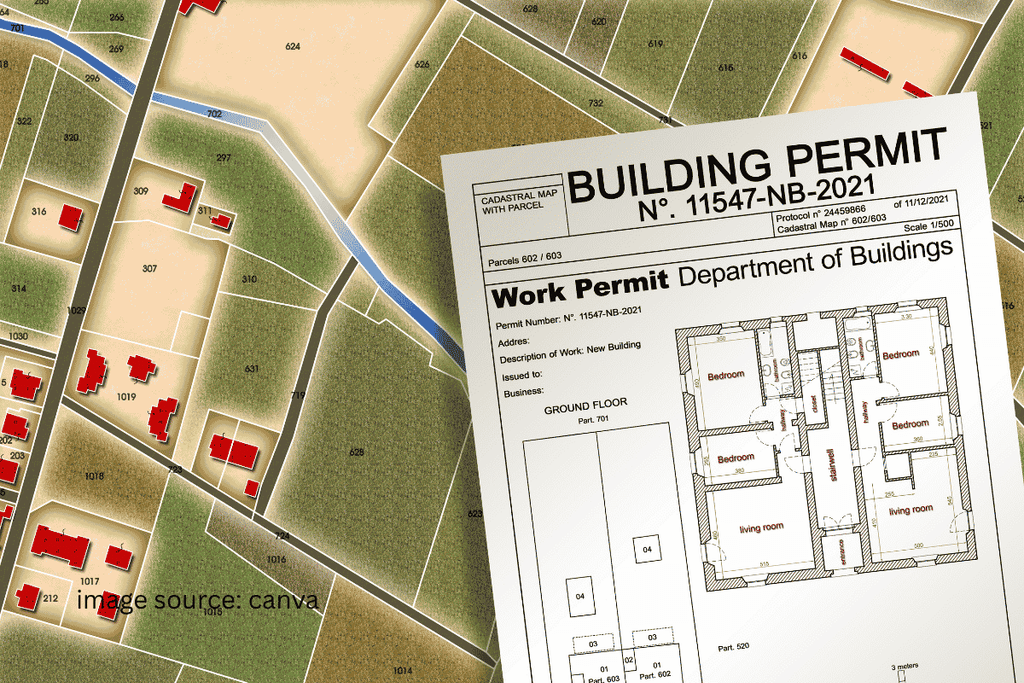
KKPR (Kesesuaian Kegiatan Pemanfaatan Ruang) is the zoning conformity step that confirms a specific plot of land can legally be used for the intended purpose, in this case, hotel development. It splits into two forms: KKKPR, an automatic confirmation issued when the area already has a Detailed Spatial Plan (RDTR) integrated into the OSS system, and PKKPR, a formal approval process required when no such detailed plan exists or is not yet integrated, involving assessment by local spatial planning authorities and taking longer to complete.
KKPR carries no government fee and is processed entirely through Indonesia’s OSS (Online Single Submission) system. In Bali specifically, zoning is governed by the provincial spatial plan (RTRWP, Bali Provincial Regulation No. 2/2023) alongside regency-level RDTR plans, and a project’s location must sit within a zone designated for tourism or commercial use before any further permitting can proceed. Skipping this step is not a viable shortcut: a PBG application without valid KKPR in place is rejected outright, and increasingly strict satellite-based zoning enforcement has made informal workarounds considerably riskier than they once were.

Once zoning is confirmed, the project must clear an environmental review scaled to its impact. Indonesia uses three tiers: SPPL (a simple statement of environmental management commitment, for the smallest projects), UKL-UPL (Environmental Management and Monitoring Efforts, for mid-scale projects), and AMDAL (a full Environmental Impact Assessment, for the largest or highest-impact projects), all under the framework of Government Regulation No. 22 of 2021 on Environmental Protection and Management.
For hotels and resorts specifically, AMDAL is required when the project’s land area exceeds 5 hectares or the development exceeds 150 rooms, whichever threshold is met first. A hotel below both thresholds can generally proceed with the lighter UKL-UPL tier instead. This distinction matters in practice: a 120 to 130-key hotel sits below the room-count threshold on its own, so whether AMDAL or UKL-UPL applies to a project of that scale depends specifically on its land area, not its room count alone, a detail worth verifying against a project’s actual site size rather than assuming from room count in isolation.
PBG (Persetujuan Bangunan Gedung, Building Approval) is the mandatory pre-construction approval that replaced the older IMB (Izin Mendirikan Bangunan) system entirely, following Government Regulation No. 16 of 2021. Unlike the old IMB, which functioned as a one-time permit granted at local authorities’ discretion, PBG operates as a standards-based technical approval tied to specific building codes, meaning compliance is an ongoing obligation rather than a box checked once at the start. For how this connects to the land title a project holds, see our explainer on Bali hotel ownership structures.
Applications are filed through the SIMBG (Building Management Information System) portal and require architectural plans, structural calculations, and MEP (mechanical, electrical, plumbing) drawings signed off by a certified Indonesian architect and structural engineer. The statutory processing turnaround, once a complete application is submitted, is 28 working days under PP 16/2021, though multiple guides for foreign investors note that the realistic end-to-end timeline, including document preparation and any required KKPR steps beforehand, typically runs 3 to 4 months. Construction cannot legally begin before PBG is issued, and applying for PBG requires holding qualifying land rights through a legal entity, meaning a foreign-owned PT PMA holding HGB title over the site, not a foreign individual applying directly.
SLF (Sertifikat Laik Fungsi, Certificate of Function Worthiness) is the post-completion counterpart to PBG. Where PBG approves the plans before anything is built, SLF certifies that the completed structure actually meets safety and functional standards for its intended use, and it cannot be issued without a valid PBG already in hand.
In practice, the physical inspection that SLF requires generally takes place once construction reaches roughly 90 to 100 percent completion, according to several building-permit guides for Bali. The certificate itself is issued only once the building, including its electrical and mechanical systems, is genuinely finished and passes that inspection. For a hotel, SLF is the final regulatory gate before the property can legally open to guests, distinct from any separate operational business licensing the hotel may also require.
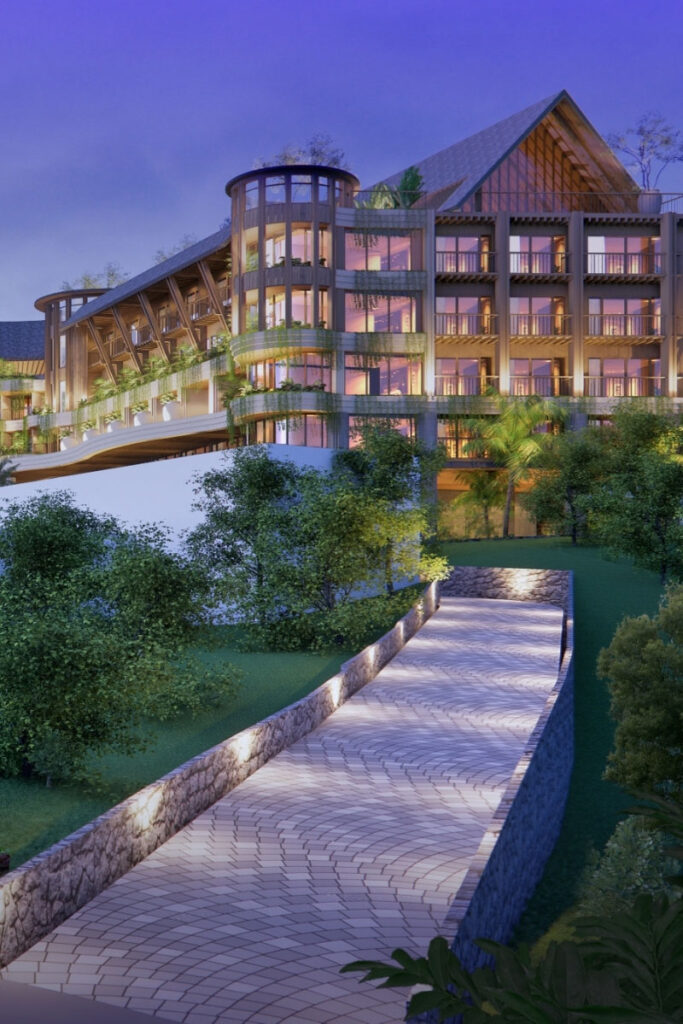
CROSS Bali Uluwatu’s own developer, PT The Cube Group, confirmed in its own announcements that the project has already secured its building permit and entered the construction phase, with earthworks nearing completion and infrastructure works advancing on site. That places the project past KKPR, environmental clearance, and PBG, and into the construction window that will eventually lead to an SLF application once the build is complete.
PBG is the approval required before construction begins, confirming the building plans meet technical standards. SLF is the certificate issued after construction is complete, confirming the finished building is actually safe and fit for use. Neither can be issued without the one before it.
AMDAL is required when a hotel’s land area exceeds 5 hectares or the project has more than 150 rooms, under Government Regulation No. 22 of 2021. Projects below both thresholds typically use the lighter UKL-UPL environmental review instead.
KKPR confirms that a specific plot of land is legally zoned for the intended use. It is required before any environmental review or PBG application can proceed, and a PBG application without valid KKPR is rejected outright.
The statutory PBG processing time is 28 working days once a complete application is submitted, but the realistic end-to-end timeline, including document preparation and KKPR, typically runs 3 to 4 months.
PBG and SLF replaced the former IMB (Izin Mendirikan Bangunan) system following Government Regulation No. 16 of 2021, shifting from a one-time discretionary permit to an ongoing, standards-based approval framework.