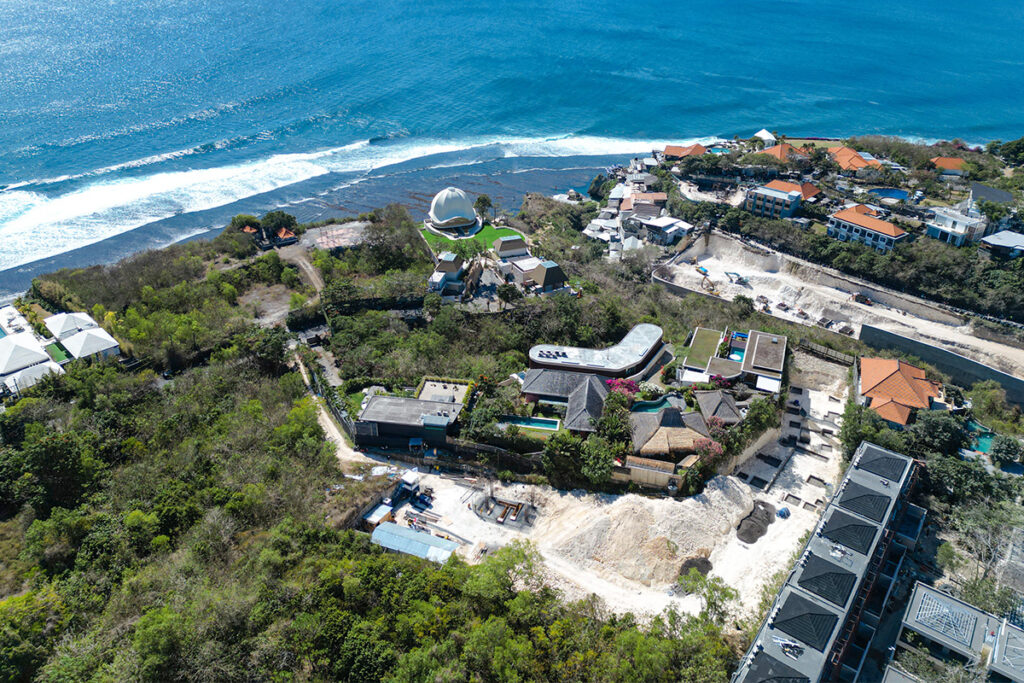
HGB (Hak Guna Bangunan, Right to Build) lets a PT PMA-registered foreign investment company hold Indonesian land for up to 80 years total. It is the title structure confirmed for CROSS Bali Uluwatu’s site in Pecatu, Uluwatu, where the developer, PT The Cube Group, has structured the land under a PT PMA with HGB title.
HGB is one of a small number of legal routes available to foreign-backed investment in Indonesian land. Understanding what it actually grants, and what it does not, matters for anyone evaluating a project built on this structure.
HGB is a registered right to build and own structures on land for a fixed term. It is not full ownership. The land itself remains under Hak Milik (freehold), a title reserved exclusively for Indonesian citizens under Indonesia’s Basic Agrarian Law. What HGB gives the holder is the legal right to construct, own, and use buildings on that land, and to operate a business from it, for as long as the title remains valid.
This distinction matters because HGB is sometimes marketed loosely as “freehold” to foreign buyers. It is closer to a long-term, renewable, certified lease with strong legal standing, backed by a title certificate issued by Indonesia’s National Land Agency (Badan Pertanahan Nasional, or BPN).
HGB granted over state land or land under a right of management (Hak Pengelolaan) runs for an initial term of up to 30 years, extendable for up to 20 years, then renewable for a further 30 years, for a total of up to 80 years. This structure is set out in Government Regulation No. 18 of 2021 (PP 18/2021), Article 37.
A separate rule applies when HGB is granted over land already held under Hak Milik: in that case, the term is fixed at 30 years and cannot be extended, though it can be renewed by agreement with the Hak Milik holder. Most commercial hospitality developments, including hotel-scale projects, use HGB over state land rather than over privately held Hak Milik, so the 30, plus 20, plus 30-year structure is the one that applies in practice for most investors.
Extension must be applied for at least two years before the current term expires. If the term lapses without extension or renewal, the land reverts to being directly controlled by the state, and the building rights are lost, a risk that makes timely renewal a genuine compliance obligation rather than a formality.
Only Indonesian legal entities, including a foreign-owned PT PMA (Penanaman Modal Asing), can hold HGB. A foreign individual cannot hold HGB directly in their own name. This is the core reason HGB and PT PMA are almost always discussed together: the corporate structure is the access point, not an optional add-on.
Setting up a PT PMA now takes roughly 10 to 14 days through Indonesia’s OSS (Online Single Submission) system, a process explained in more detail in our guide to opening a PT PMA hotel in Bali. Once established, the PT PMA becomes the registered legal owner of the HGB title, meaning the underlying company, not the individual investor, holds and exercises rights over the land.
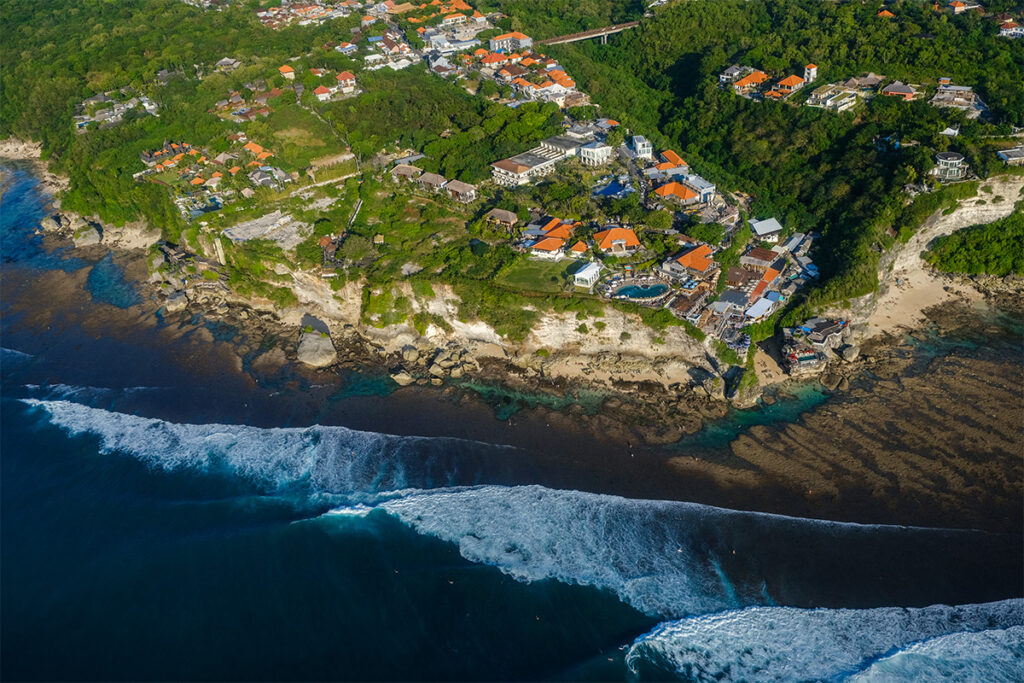
HGB sits alongside two other main routes for foreign-linked land access in Bali: Hak Pakai (Right to Use) and Hak Sewa (leasehold), covered in more depth in our full comparison of Bali hotel ownership structures. Hak Pakai allows a foreign individual with a valid KITAS or KITAP residence permit to hold a registered right in their own name, but it is intended for personal residential use and does not support commercial rental operations at scale. Hak Sewa is a contractual lease between a foreign party and an Indonesian landowner, with no registered title of its own, only a notarized agreement.
For a commercial development the size of a 120 to 130-key hotel, neither Hak Pakai’s residential restriction nor Hak Sewa’s lack of registered title is workable. HGB, held through a PT PMA, is the only one of the three that supports full commercial operation, multiple properties under one entity, and long-term institutional financing.
That last point matters in practice. Because HGB is a certified title registered with BPN, it can be used as collateral through Hak Tanggungan, Indonesia’s statutory mortgage security instrument established under Law No. 4 of 1996. This gives HGB-held assets a route to bank financing that a leasehold contract, lacking a registered title, generally does not have.
CROSS Bali Uluwatu’s land in Pecatu, Uluwatu is held under a PT PMA structure with HGB title. This was confirmed in PT The Cube Group’s own press release announcing the project’s strategic agreements with CROSS Hotels & Resorts, which described the structure as “the most secure for foreigners to invest in Indonesia.”
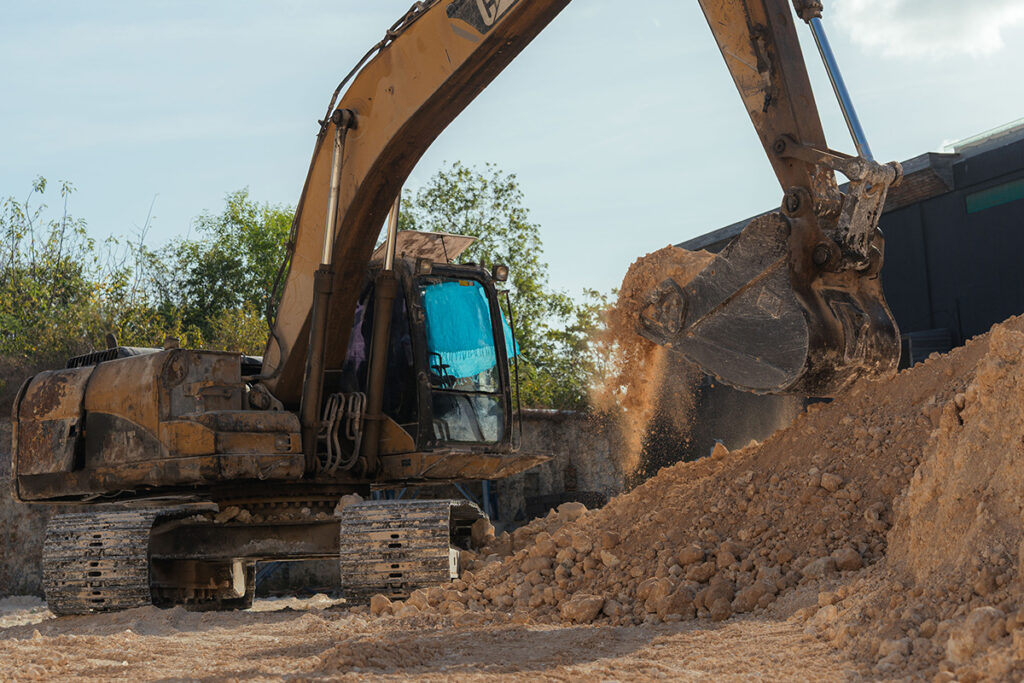
The same announcement confirmed that the development has already secured its building permit and entered the construction phase, with earthworks nearing completion and infrastructure works advancing on site. This places CROSS Bali Uluwatu past the land title and zoning stage and into active construction, a useful marker for readers trying to gauge how far along the project actually is, separate from any claims about future performance.
It is worth being precise about what “most secure” means here. It refers to the structure’s legal standing, a certified, registered, mortgageable title through a compliant corporate entity, not a guarantee about the property’s future value or returns. Those are separate questions the land title structure does not answer.

A few practical checks apply to any HGB-based investment, including this one. Confirm the HGB certificate is actually registered at BPN in the PT PMA’s name, not held informally or through a third party. Check the certificate’s issue date and current term against the 30, plus 20, plus 30-year structure, since a title nearing the end of an extension period carries more renewal risk than one recently issued.
Extension cost is calculated on the land’s value at the time of extension, not on the value of any building constructed on it. This means land value appreciation, while good for the asset’s overall worth, also increases the future cost of keeping the HGB title current, a detail that is easy to overlook when only looking at build cost and projected yield.
Finally, remember that HGB’s security is legal and structural. It protects the right to hold and operate the property under Indonesian law. It says nothing about occupancy, revenue, or the operator’s execution once the property opens, questions that depend on separate factors entirely.
HGB is a registered right to build and own structures on Indonesian land for a fixed term, held through a qualifying Indonesian legal entity such as a foreign-owned PT PMA. It is not full land ownership, which remains reserved for Indonesian citizens under Hak Milik.
HGB over state land runs for an initial 30 years, extendable by up to 20 years, then renewable for a further 30 years, for a total of up to 80 years, under Government Regulation No. 18 of 2021.
No. HGB can only be held by an Indonesian legal entity, including a wholly foreign-owned PT PMA. A foreign individual must establish a PT PMA to access HGB.
Hak Milik is full, permanent freehold ownership available only to Indonesian citizens. HGB is a time-limited right to build and use land, available to qualifying entities including PT PMA companies, and requires renewal to remain valid.
Generally not for a foreign-owned PT PMA. Conversion between these titles depends on the holder’s legal status, and a PT PMA does not have a path to Hak Milik. Confirm any specific conversion question with a notary rather than assuming it is possible.
Yes. Because HGB is a certified, BPN-registered title, it can be used as loan collateral through Hak Tanggungan, Indonesia’s statutory mortgage security instrument, giving it financing options an unregistered leasehold typically lacks.