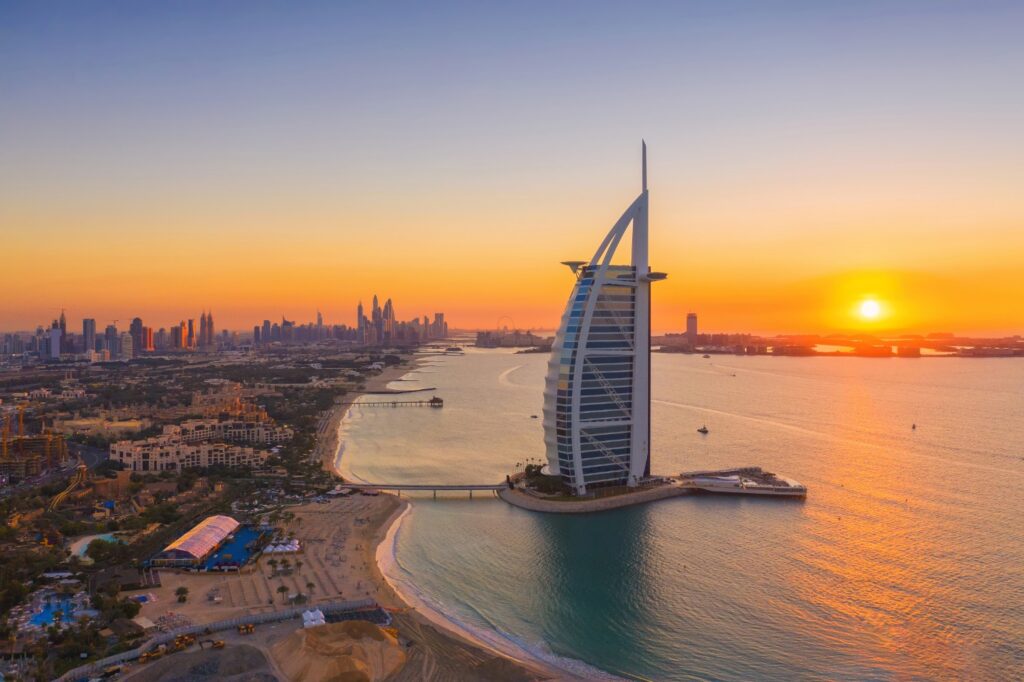
In a Bali vs Dubai investment decision, Dubai offers freehold ownership for foreigners in designated areas, no personal income tax on rent and a 10-year Golden Visa for property valued at AED 2 million or more. Bali offers lower entry prices and tourism-driven rental demand, but foreigners hold property through leasehold, a company (PT PMA) or a right-to-use title rather than outright land ownership.
Put simply, Dubai suits investors who value liquidity, tax efficiency and legal simplicity. Bali suits investors who accept more structure and due diligence in exchange for a lower entry point and exposure to one of Asia’s strongest leisure markets.
Many of the investors weighing the two markets come from the UAE, Australia and Russia, and some already own in Dubai. This comparison puts both markets side by side, works through each factor that changes the outcome, and ends with a guide to which investor profile fits each market.
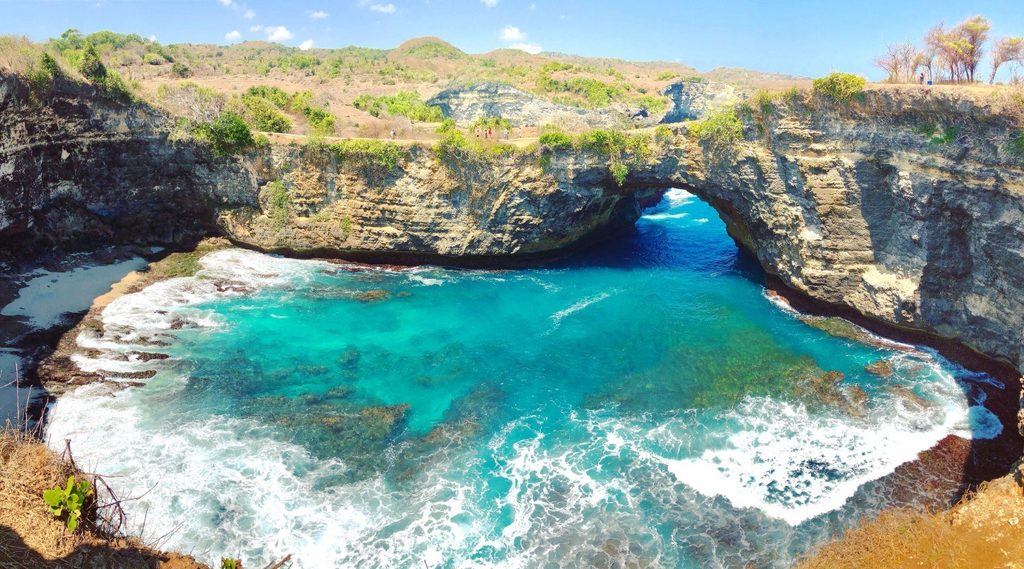
Bali or Dubai differ most on ownership rights, tax and liquidity, and least on demand: both are global leisure destinations. The table summarises the key differences. Yield figures are ranges reported by market participants, not guaranteed returns.
| Factor | Bali | Dubai |
|---|---|---|
| Ownership for foreigners | Leasehold, HGB through a PT PMA, or Hak Pakai | Freehold in designated areas |
| Typical title term | Leases usually 25-35 years | Perpetual (freehold) |
| Gross rental yield (reported) | About 8-18%, varies widely by source | About 5-10% |
| Buyer’s transfer cost | BPHTB acquisition tax, up to 5% | 4% Dubai Land Department fee |
| Tax on rental income | 10% final tax on gross rent (residents) | No personal income tax |
| Tax on sale | 2.5% final tax on gross transfer value | No personal capital gains tax |
| Residency through property | No direct route | 10-year Golden Visa at AED 2 million |
| Buyer protection | Due diligence, notary, title checks | DLD registration, escrow for off-plan |
| Resale liquidity | Thinner, depends on remaining lease | Deep and active |
| Main demand driver | International leisure tourism | Residents, business travel, tourism |
Dubai lets foreigners buy freehold property outright in designated zones, with ownership registered by the Dubai Land Department (DLD). Bali does not allow foreigners to hold freehold land (Hak Milik), so foreign investors use one of three routes.
The most common is a leasehold, usually 25 to 35 years. Investors running a business can use a foreign-owned company (PT PMA) that holds Hak Guna Bangunan (HGB), a right to build and use land for a fixed term. Foreign individuals with residency can hold Hak Pakai, a right to use. Each has different terms and renewal rules, explained in our guides to Hak Pakai vs HGB and whether foreigners can buy property in Bali.
The practical difference: in Dubai you own an asset; in Bali you own a right for a period, and the remaining term drives the value.

Bali has the lower entry price and higher headline yields, but the published numbers for both markets vary so much that no single figure should be trusted on its own. Among top-ranking comparison articles, Bali gross yields range from about 8% to 18% and Dubai gross yields from about 5% to 10%, and almost none of these articles cite primary data.
Four things explain the spread:
The useful question is not “which market has the higher yield” but “what is the net yield on this specific property after every cost and tax.” Our guide to Uluwatu property prices shows how prices differ within Bali alone.
Dubai is simpler on tax; Bali charges tax at purchase, on rent and on sale. The main items:
Dubai
Bali (Indonesia)
These rates change the net yield more than the headline price does, so build them into any comparison.
Dubai links property to residency; Indonesia does not. The UAE Golden Visa gives 10-year residency to investors who own property valued at AED 2 million or more by the Dubai Land Department, and under 2026 rules off-plan and mortgaged property can qualify. Dubai also removed the minimum property value for sole owners applying for its 2-year investor visa in April 2026.
In Indonesia, buying property does not create a visa. An investor KITAS (stay permit) comes through investing in a PT PMA, and C9 Hotelworks cites a PT PMA minimum investment of IDR 10 billion. For investors who want residency as part of the purchase, Dubai is the clearer route.
Dubai’s system is more standardised: DLD registers every transaction, and off-plan sales run through regulated escrow accounts overseen by RERA, the Real Estate Regulatory Agency. Bali relies more on the buyer’s own checks.
The main Bali risks are legal structure and build quality. Nominee arrangements, where land sits in an Indonesian citizen’s name on a foreigner’s behalf, are now prohibited under Bali Provincial Regulation No. 4 of 2026. Construction quality varies widely between developers, and licensing for rentals is now enforced through platforms, as covered in our guide to Bali’s short term rental regulation.
None of this makes Bali unsafe for investors. It means the due diligence carries more weight. Our property due diligence guide lists the documents to check before you sign.
Dubai has a deep resale market; Bali’s is thinner, and lease length shapes resale value. Dubai’s main market risk is supply, with large volumes of new units in the pipeline. Bali’s main risks are the remaining term on leasehold assets, rupiah volatility against the investor’s home currency, and changes in regulation.
Both markets move in cycles. Neither is a one-way bet, and viral claims about sudden crashes or guaranteed booms should be checked against official transaction data before they influence a decision. Our article on hotel investment risk in Bali covers the Bali side in more depth.

The better market depends on the investor’s goal. Use these profiles as a starting point:
For investors who like Dubai’s structured, managed model, the closest equivalent in Bali is a hotel developed with a professional operator in place, rather than a villa the owner has to license and run. CROSS Bali Uluwatu, developed by PT The CUBE Group in Pecatu on the Bukit Peninsula, about 200 metres from Suluban Beach, follows that model.
Fenty S. Prawiraatmadja, Marketing Director at PT The CUBE Group Bali, describes how the project is connected to international markets from day one.
“CROSS Bali Uluwatu is planned as a 123-key, internationally branded, upper-upscale hotel on Uluwatu’s coastline, with a long-term Hotel Management Agreement in place with SONO Hotels & Resorts Asia, part of SONO Trinity Group. The group’s integrated travel ecosystem includes Trinity Airways, which flies daily between South Korea and Bali, and the hotel is listed as a preferred partner of Flight Centre Travel Group. As construction progresses, we are opening discussions with strategic capital partners who recognise the long-term potential of Uluwatu.”
You can review how this model works on our hotel investment in Bali page, or start with our guide to investing in Bali as a foreigner.
Neither is better for everyone. Dubai is stronger on ownership rights, tax and liquidity. Bali is stronger on entry price and leisure demand, with more legal structure to manage.
Not in the same way. Dubai allows freehold ownership in designated areas. In Bali, foreigners use leasehold, HGB through a PT PMA, or Hak Pakai, all of which are time-limited rights.
Bali usually shows higher gross yields in published estimates, but net yields narrow after management fees, platform commissions and Indonesian taxes. Compare net figures for a specific property.
Dubai does not charge personal income tax on rent. In Indonesia, land and building rentals are subject to a 10% final tax on gross rent under PP No. 34 of 2017, and short term stays also carry regional hotel tax.
No. Property alone does not create an Indonesian visa. An investor KITAS is linked to investing through a PT PMA.